
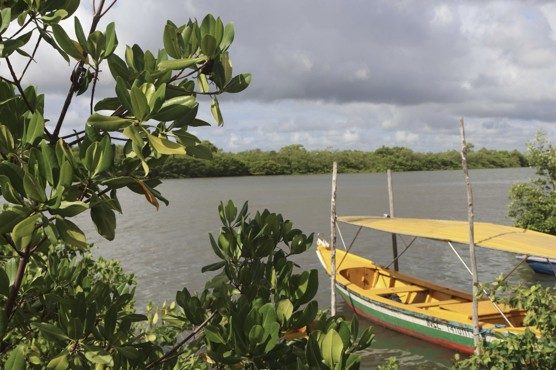
Bringing the model to the Amazon estuary
Panapana extends Vlinder's blue carbon model to South America: 1,300 hectares of community-led mangrove restoration in the Amazon estuary.
The project is in early development with planting scheduled to begin in 2028. Site identification combines satellite analysis, field surveys and local knowledge, including direct engagement with leading environmental organizations and fishing communities residing in the area.
In development under Verra VCS
The Panapanã project is being developed under Verra’s Verified Carbon Standard (VCS), the world’s most widely used voluntary carbon programme.
The project will follow Verra’s requirements for carbon accounting, monitoring and independent verification, providing the framework to quantify and verify the climate impact of mangrove restoration over the project lifetime.
Restoration that creates local jobs and ownership
Panapanã is designed around the principle that the people living closest to degraded mangrove ecosystems should also be the primary beneficiaries of their restoration.
During feasibility research, the team engages directly with fishing communities, residents and local workers to understand how degradation occurred, how land use has changed and what restoration approaches are most appropriate to local conditions.
As restoration begins, local residents will be trained and employed as restoration workers. This approach is intended to make restoration a source of local income, skills and long-term stewardship, strengthening community ownership of restored ecosystems while ensuring that ecological recovery directly benefits the people who depend on them.
Want to learn more, buy credits, or back the project?
Get in touch with the project team.